
SEARCH
MENU

Haseko-style Decarbonization without Disrupting Current Practices: Protecting Tomorrow’s Environment and Today’s Construction Sites
- #Decarbonization
- #Research and Technology Development
When you hear the term “construction site,” what comes to mind? Do you imagine gigantic cranes, skilled workers, and construction materials being brought in one after another? Among these materials, concrete is one of the most fundamental and indispensable in modern urban development.
Today, decarbonization initiatives are accelerating across every industry, and the construction industry is no exception. At the same time, however, adopting environmentally friendly materials comes with challenges such as higher costs and extra manufacturing efforts. In response to this dilemma, Haseko developed H-BA concrete, an environmentally friendly concrete that achieves both consideration for the environment and ease of implementation at construction sites.
The greatest feature of this concrete is that it reduces carbon dioxide (CO2) emissions during manufacturing while having virtually the same usability as conventional concrete at the construction site. There is no need for special equipment or complex construction management when using it for buildings. That is why it can be widely adopted easily.
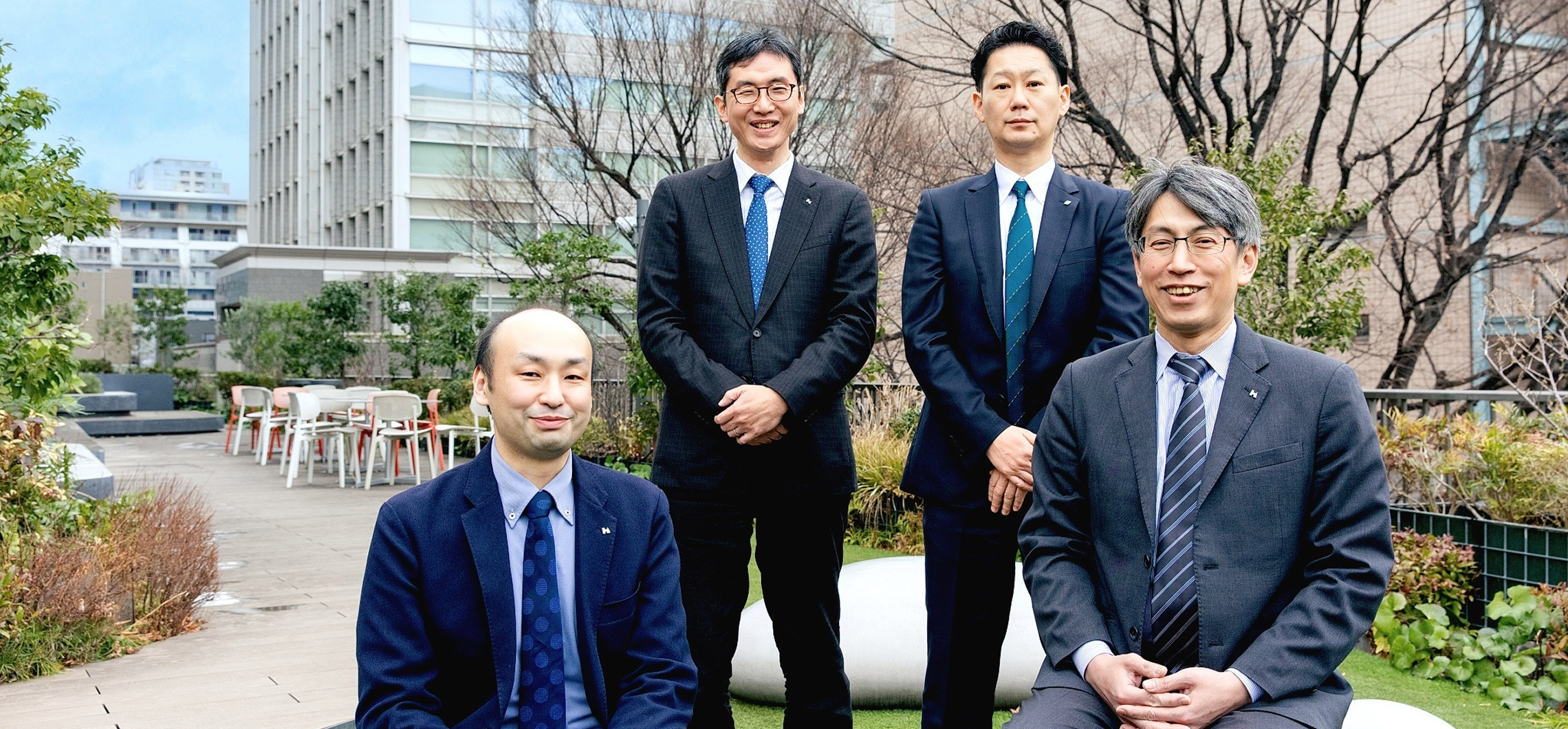
We spoke to four people who were involved in the development of H-BA concrete from different positions, asking them about the story behind development and implementation.
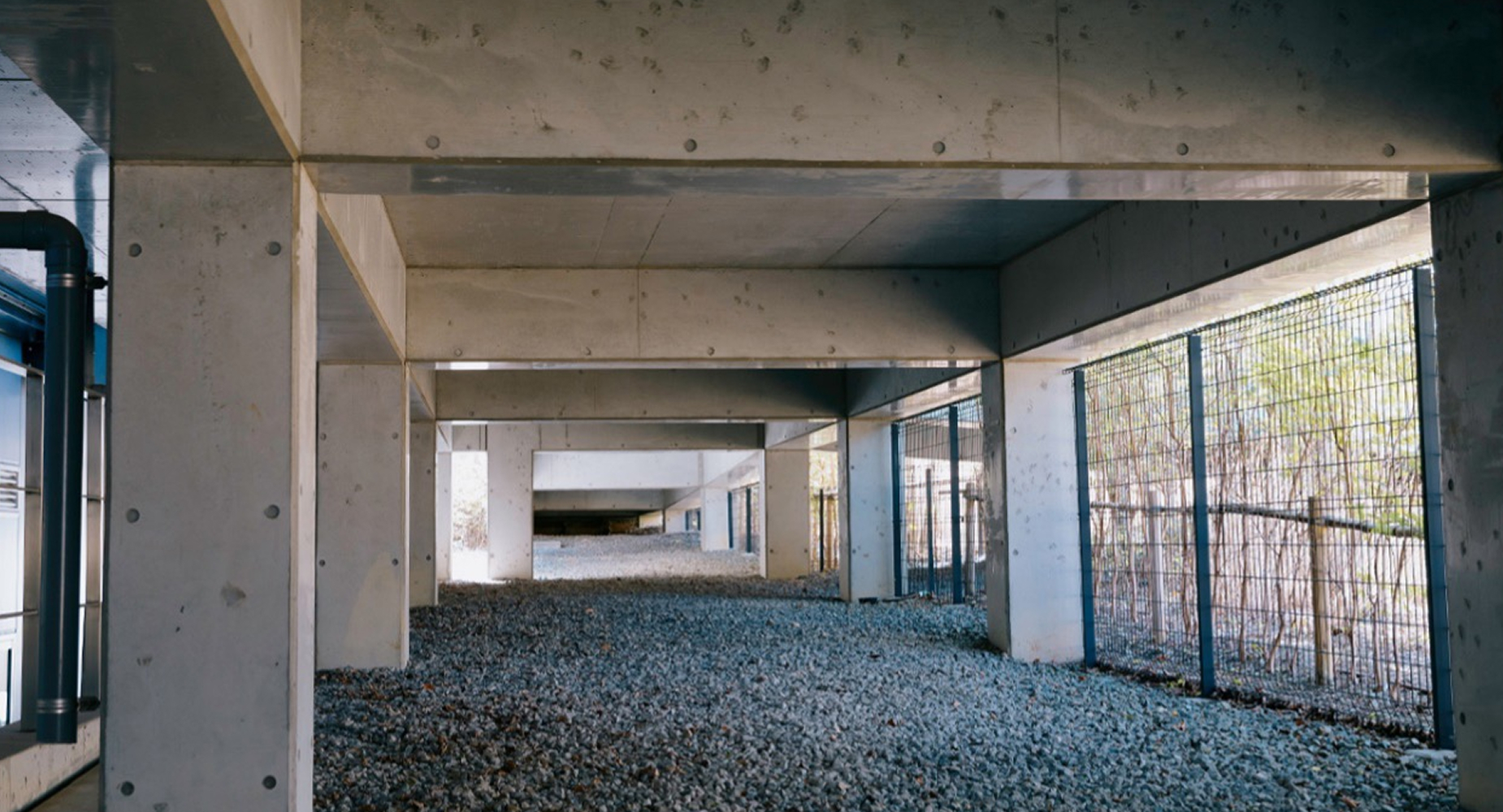
Aiming to create standard concrete that anyone can use
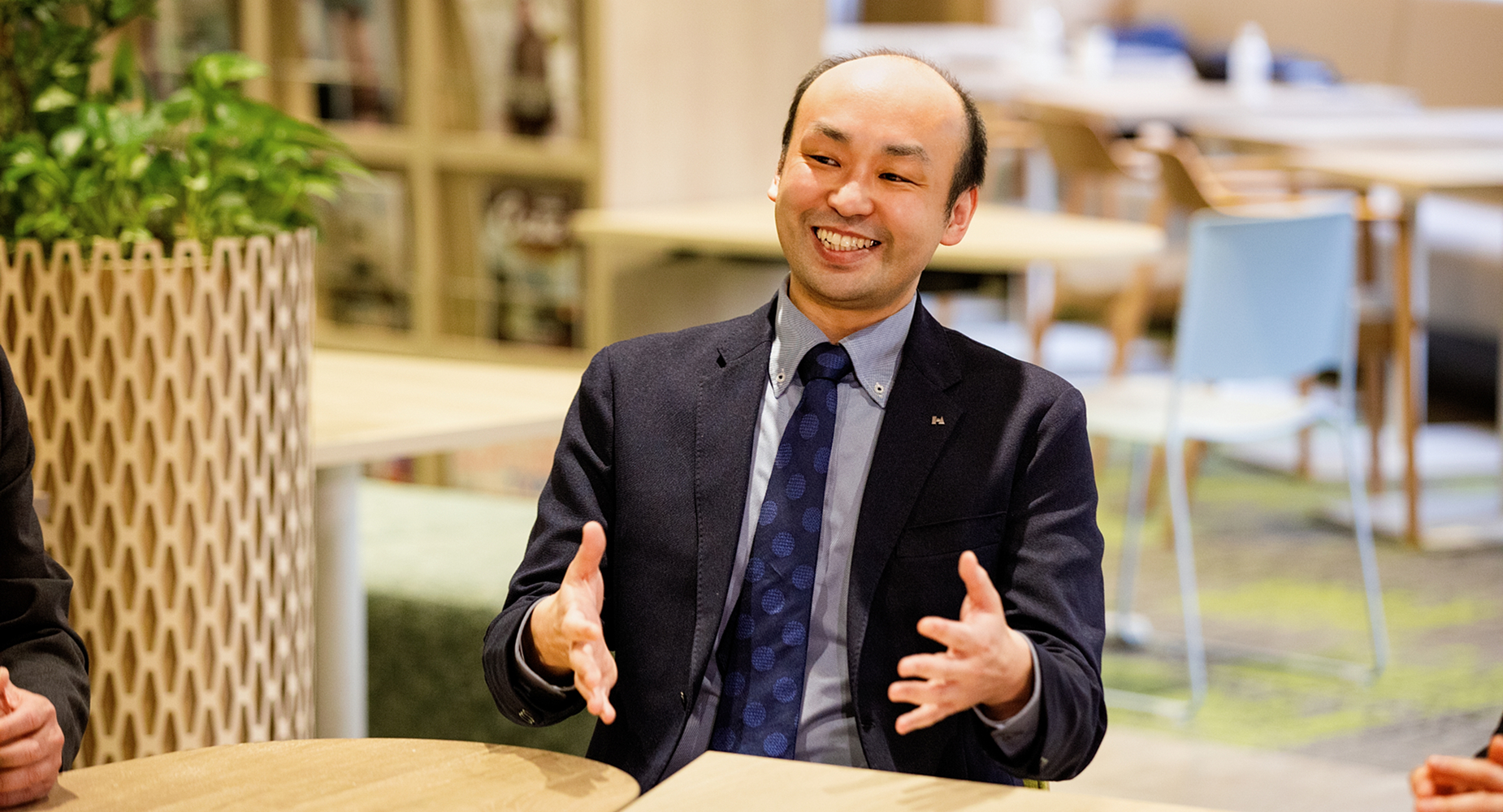
The story began at Haseko Technical Research Institute. Mr. Tatsuki Kaneko, who undertakes research on architectural materials, was in charge of the idea and technological development. Mr. Kaneko had the following to say about the responsibility of the Haseko Group.
Kaneko: Condominiums are a type of building that uses a lot of freshly mixed concrete. As Haseko builds the most condominiums in Japan, it is not an exaggeration to say that, in the construction sector, we are the leading user of freshly mixed concrete in Japan. If we, as a company handling such large volumes, do not change, the industry as a whole will not make progress in reducing its environmental impact. That was how I saw it.
Mr. Kaneko further added that this challenge was an extension of the long history that the concrete industry has faced.
Kaneko: The concrete industry has long developed and implemented various technologies related to resource recycling and waste reduction. Therefore, thinking about the environment is not unusual for the concrete industry.
Against this backdrop, people in the industry had already been discussing for more than a decade that reducing global CO₂ emissions would become a major challenge. A large amount of CO2 is emitted when manufacturing cement, one of concrete’s raw materials. I therefore thought it was necessary to take on the challenge of reducing CO2 emissions in the manufacturing stage using uniquely Haseko technologies, and that would serve as the driving force behind development.
Looking only at the technological aspect, there already exists concrete with high environmental performance capable of reducing CO2 emissions by 60% or more. In fact, Haseko’s research institute also develops such technologies. However, Mr. Kaneko focused on the social implementation of creating a general-purpose product that limits the rate of CO2 reduction to approximately 20%.
Kaneko: While concrete that reduces CO2 by 60% has high environmental performance, it is also correspondingly harder to design, manufacture, and apply. One approach is to take proper measures and use such concrete as a special method of construction.
On the other hand, Haseko is a company that uses a lot of concrete. This means that applying concrete for construction is the norm for us. I thought that creating an environment that allows us to work on decarbonization amid such a norm would eventually lead to the maximum effect.
The method adopted was to combine ordinary cement and blast furnace cement type-B, which emits less CO2 during production.
Kaneko: Originally, environment-conscious cement had weaknesses such as lower initial strength and reduced durability, making it difficult to use for the aboveground floors of condominiums where construction schedules were tight and high durability was desired. However, by combining it with ordinary cement in an appropriate ratio, we succeeded in achieving both usability and environmental performance.
Instead of a technology for certain special projects, Mr. Kaneko wanted to create a technology that could be used as a standard in the construction of all condominiums.
Kaneko: I did not want to say, “Special preparations are necessary to use this,” like in the case of existing environment-conscious concrete. An absolute condition was that the concrete could be produced at a local freshly mixed concrete plant and applied using existing processes.
As Haseko uses a lot of concrete on a daily basis, they decided to create a general-purpose product that reduces CO2 by 20% instead of a special product that reduces CO2 by 60%. This choice subsequently became a major factor in the speed of adoption.
Wave of adoption born from ease of production
Mr. Kaneko was particular about the versatility of H-BA concrete, which brought major advantages to plants that manufacture it.
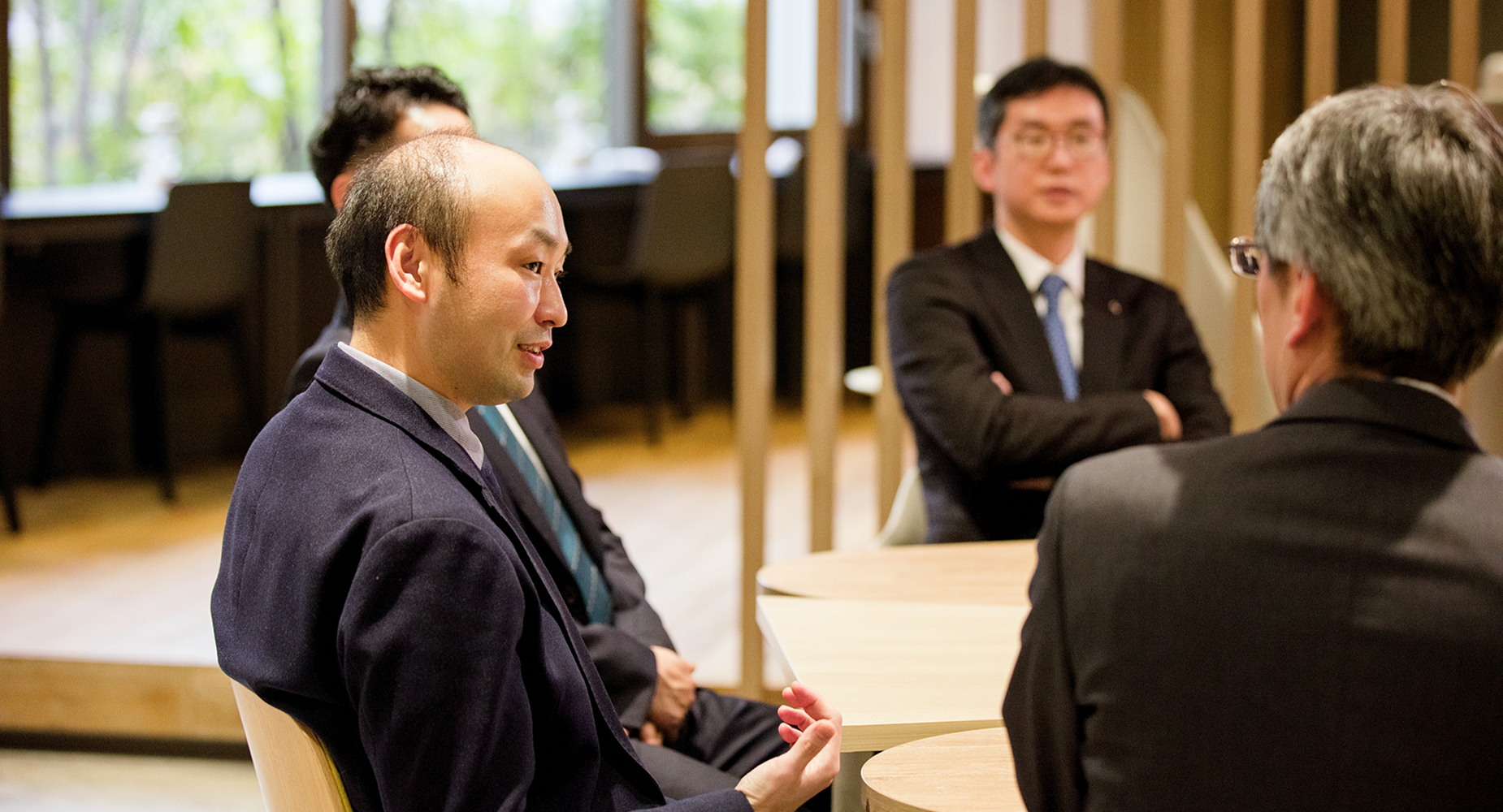
UCHIYAMA ADVANCE Co., Ltd., which manufactures and sells freshly mixed concrete mainly in the Tokyo Metropolitan Area, was in charge of producing H-BA concrete for the first property adopting it. Plant Manager Yoshifumi Tada from Urayasu Plant in Chiba Prefecture talked about the difficulties that manufacturing front lines had with traditional environment-conscious concrete.
Tada: Usually, manufacturing environment-conscious concrete tends to require a lot of management work, from the procurement of materials to the shipment of concrete. Another bottleneck is that such concrete is, in principle, only used for underground areas. For example, once the underground works at a construction site have been completed, unless the concrete is being used at other sites of the general contractor, we will end up with excess materials in our inventory.
Those materials will have to be discarded if there is no destination for several months. Here, H-BA concrete was epoch-making.
Tada: As a general-purpose product, H-BA concrete can be used for all floors of a building, from underground to aboveground. There is no need to worry about leftover inventory.
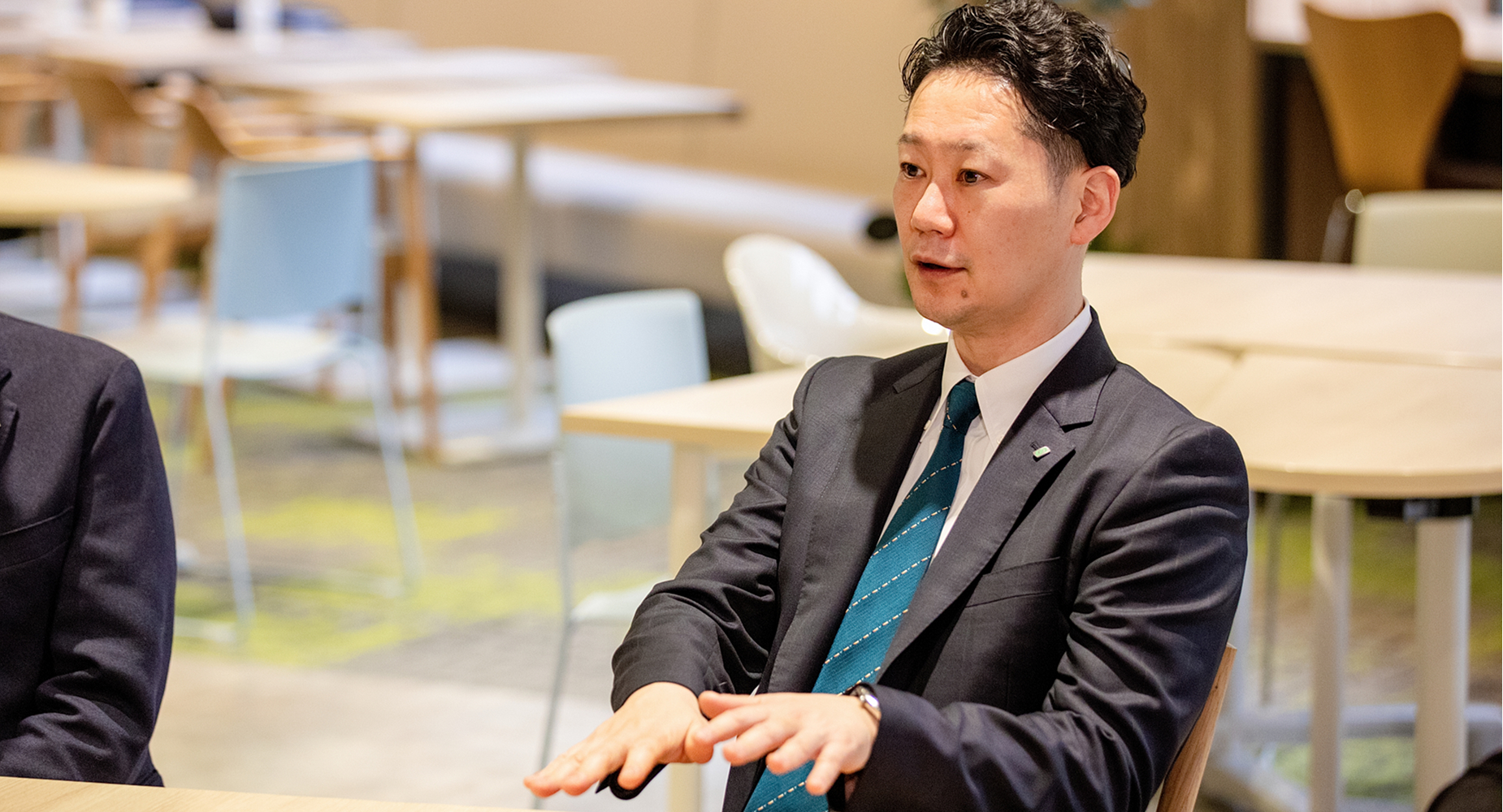
At first, there was some hesitation at plants about yet another new environment-conscious concrete. However, with greater understanding about its ease of production, more and more freshly mixed concrete plants began to reach out about trying to make it.
Its technological design that avoids excessive strain on manufacturing front lines has, as a result, bolstered the expansion of the supply system.
Overcoming the lack of precedent to become the norm at construction sites
H-BA concrete was backed by technology and a robust manufacturing system. However, its safety must be publicly certified for it to be actually used as a structural material for buildings.
In particular, to use this concrete for condominiums, the core of Haseko’s business, it is not enough to simply comply with the Japanese Industrial Standards (JIS). To comply with the Act on the Promotion of Housing Quality Assurance (hereinafter, Quality Assurance Act) that assures housing quality and the Act on Promoting the Dissemination of Long-Life Quality Housing (hereinafter, Long-Life Quality Housing Promotion Act), it was also necessary to obtain special certification from the Ministry of Land, Infrastructure, Transport and Tourism as well as verification from third-party agencies, and use them to clear highly stringent legal procedures.
Mr. Takuya Okumoto from the Structural Planning Office I of the Engineering Division worked to push forward with these procedures. He looked back at the journey toward implementation.
Okumoto: Japan already had environment-conscious concrete for use in buildings, but H-BA concrete was novel for its approach of combining different types of cement. As there was no precedent and the available evidence was limited, government and certification agencies had to make decisions cautiously.
Without precedent, the only way was to set one. Mr. Okumoto made numerous trips to certification agencies.
Okumoto: The concrete’s performance as a material being used for buildings and its manufacturing method comply with the Building Standards Act. I persisted in conveying this point to people at certification agencies until they accepted it.
It was also essential to create a track record to prove its safety.
Okumoto: First, we adopted H-BA concrete for the areas called “external structures,” which do not fall under the Building Standards Act. We used this track record to show that construction management remains the same as before, and we also presented, one by one, data on changes over time and so on.
Through repeatedly engaging in such sober dialogue and demonstrations, the concerns of the certification agencies were dispelled one by one, gradually opening a path toward implementation.
Mr. Okumoto also had a perspective that he would not compromise.
Okumoto: As condominiums are core to Haseko, I thought it was important to not only comply with the Building Standards Act but also objectively show quality and performance to our customers.
One answer is an environment-conscious concrete that complies with the Quality Assurance Act’s housing performance labeling system and long-life quality housing standards. At the time, there was no other example of an environment-conscious concrete complying with these standards. It truly felt like we have given shape—as a technology—to Haseko’s unique perspective.
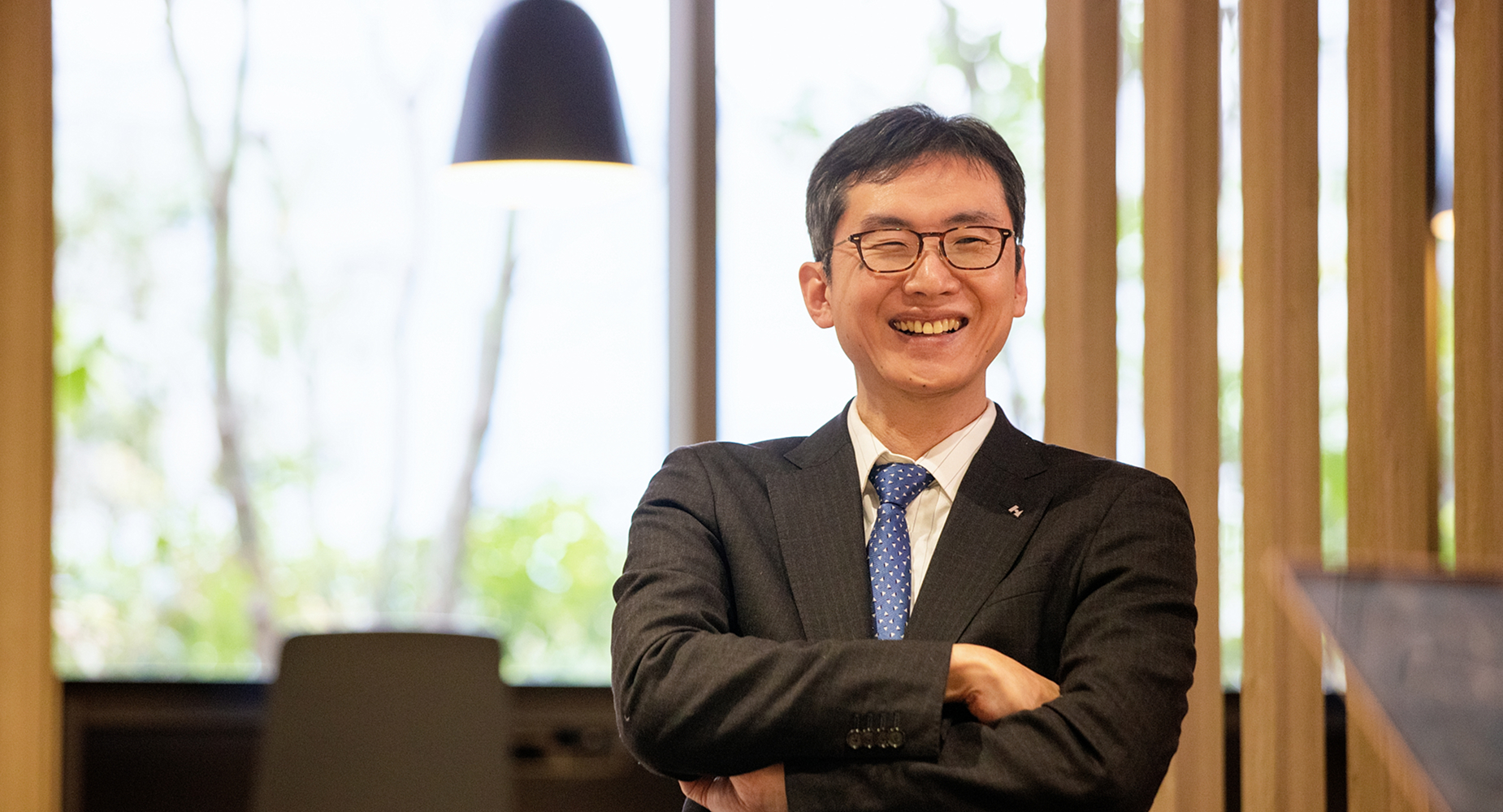
Meanwhile, Mr. Hiroshi Kodama from the Technical Department of the Construction Division was from a position where he saw construction sites up close. The skilled workers who run these sites often harbor psychological resistance to new materials and technologies. Mr. Kodama put his heart and soul into finding ways to overcome this resistance in regard to using H-BA concrete.
Kodama: Construction sites require smooth project management, and materials that impose special handling are often difficult to accept due to the reason that they interrupt the flow at the site.
That was why Mr. Kodama consistently sought to keep things unchanged.
Kodama: To avoid such reactions at construction sites, for some time, I had been sharing with Haseko Technical Research Institute a request that, if they were going to create an environment-conscious concrete, I hope they would make something that could be used with exactly the same usability as what was being used.
In response to this request, Mr. Kaneko created H-BA concrete that can be said to place virtually no burden on construction sites. Thanks to him, H-BA concrete can be applied using the usual construction procedures on sites.
It is said that, when asked about their thoughts, workers replied, “It feels no different than what we have been using.”
Kodama: It is being supplied at construction sites in such a natural way that it feels like people forget whether it is H-BA concrete or ordinary concrete.
The lack of any reaction from sites is the best compliment, a sign that H-BA concrete has completely blended into the day-to-day operations of sites.
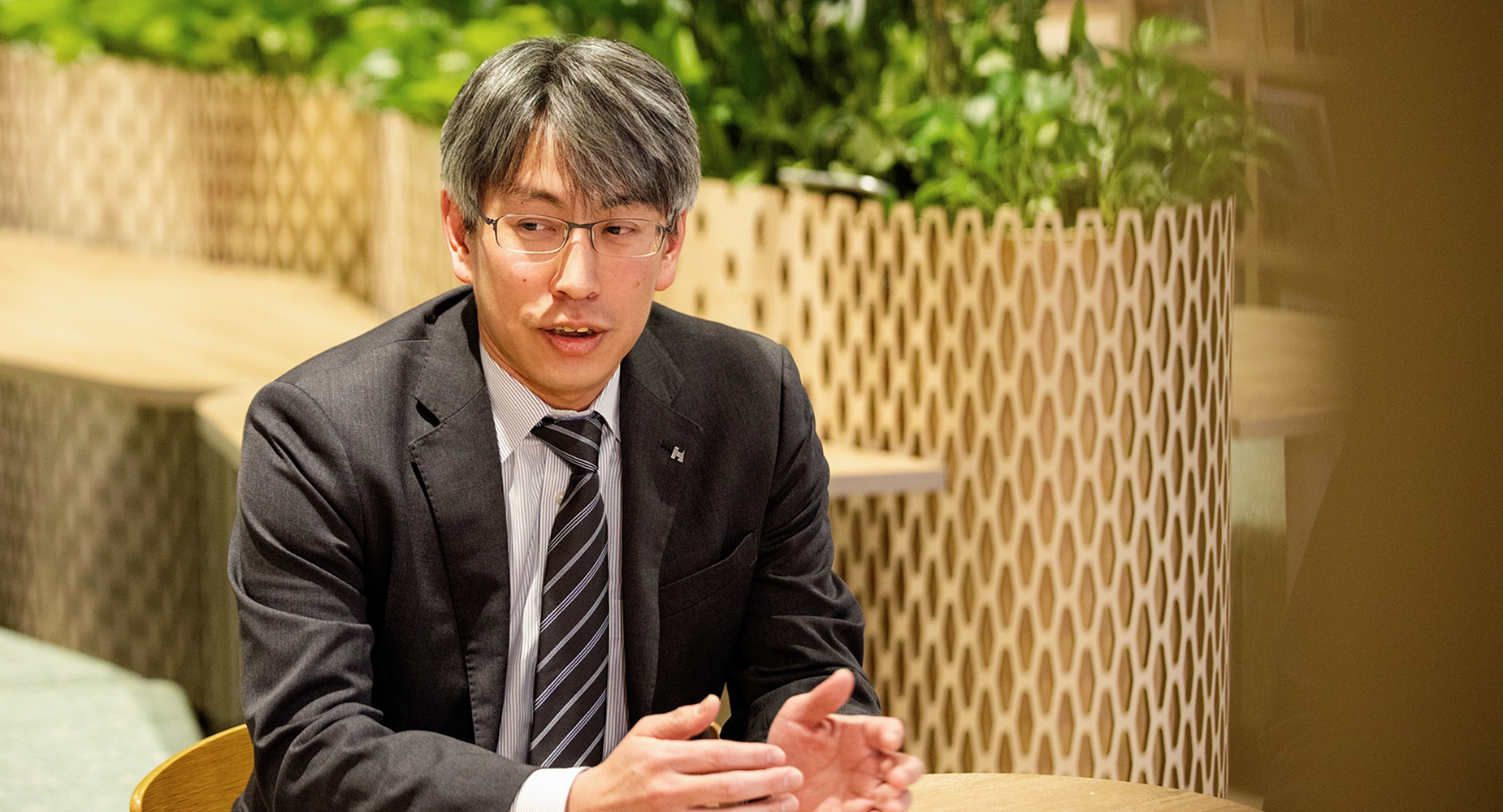
Making H-BA concrete a natural choice
Through multi-faceted collaboration, H-BA concrete went from development to reach implementation. As of January 2026, it has been steadily adopted mainly for condominiums in the Kanto and Kansai regions.
However, Mr. Kaneko said that their journey has yet to end. First, they aim for H-BA concrete to be introduced at 50% of all sites that Haseko is carrying out construction by 2030. Beyond that, they seek a future where H-BA concrete is a natural choice.
Kaneko: Currently, there are cost issues, but it is possible to overcome this hurdle if H-BA concrete becomes a natural choice. Therefore, I hope to focus efforts on further promoting the adoption of this concrete.
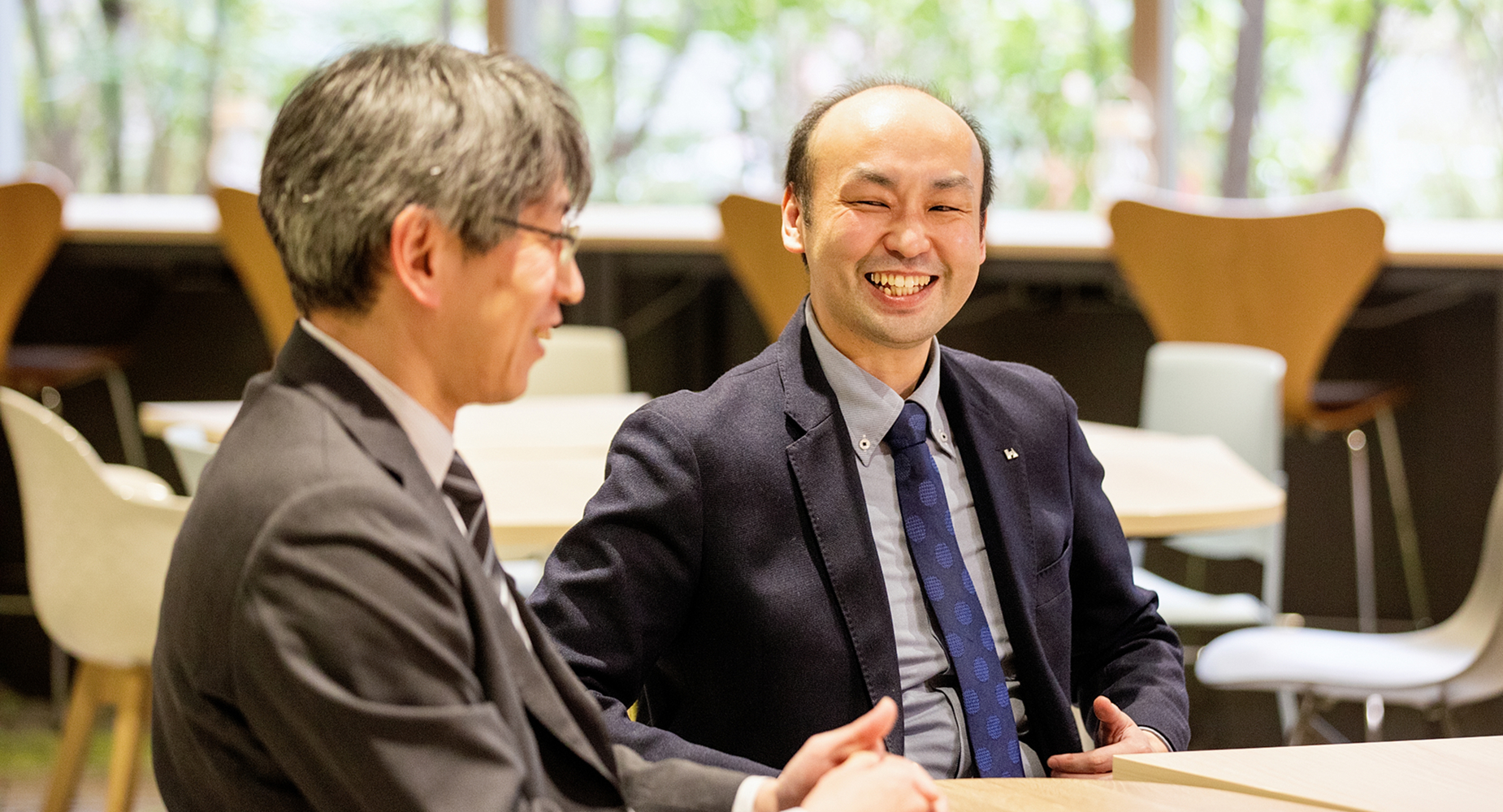
Lastly, the three Haseko employees gave their messages about Haseko’s strengths seen through this project as well as the company’s foundation for creating a sustainable future through business.
Kodama: When developing technology, it is important to consider the people who will actually use it at construction sites. Even if a technology is excellent from an environmental standpoint, it will not be used by anyone if it is difficult to use. That is why I think creating something truly good requires us to imagine the perspectives of people in different positions and remain uncompromising from that standpoint.
Kaneko: Haseko’s strength lies in horizontal deployment—being good at deploying a single technology across various sites. Through conversations with people on construction sites, we receive clues for research and, conversely, help the people on the ground understand our technologies. I hope our employees will continue to build these beneficial relationships from a young age and drive further change.
Okumoto: Haseko has a foundation where people share their knowledge to create good things, driven by the desire to realize new technologies that are useful to society, regardless of department.
I think our success with H-BA concrete is the fruit of the passion of people taking on new challenges, which created a chain reaction of “let’s do this together.” Given that we have human resources with excellent technological capabilities in their respective fields, I believe that by sharing our knowledge, we can achieve better manufacturing for the realization of a sustainable society.
The comments from these four individuals conveyed an attitude of considering both aspects—tomorrow’s environment and the people working at today’s construction sites—and the willingness to take responsibility. Continuing to look for a path of coexistence, rather than setting these often-conflicting challenges against each other, they continue to seek ways to balance them. Perhaps it is through these steady efforts, one step at a time, that Haseko’s own distinctive approach to sustainability is gradually taking shape.
Profiles

Tatsuki Kaneko
Manager, Architectural Materials Lab, Haseko Technical Research Institute
Technological Promotion Division, Haseko Corporation
Mr. Kaneko joined Haseko Corporation in 2010. He is in charge of research and development of technologies related to architectural materials. His goal is to develop technologies whose benefits extend across the entire supply chain, not only within the construction industry but also to materials manufacturers, producers, and building users. For him, communication starts over drinks.

Takuya Okumoto
General Manager, Structural Planning Office I, Engineering Division
Design Division, Haseko Corporation
Mr. Okumoto joined Haseko Corporation in 1998. He is in charge of structural design work. In recent years, he has also been working on wooden structures and wood-based construction. He is committed to structural design that reflects “Haseko Quality,” helping residents enjoy peace of mind in their everyday lives. On days off, he refreshes himself by taking long drives while listening to slightly heavy music.
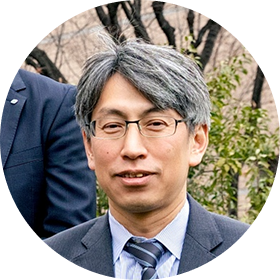
Hiroshi Kodama
Technical Engineer, Technical Department
Construction Division, Haseko Corporation
Mr. Kodama joined Haseko Corporation in 2002. He is in charge of quality control for structural work in general. In his day-to-day work, he places importance on ensuring the quality of buildings where customers will live.
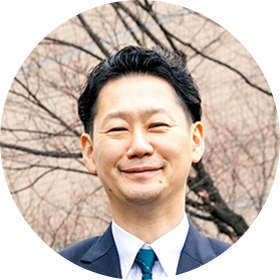
Yoshifumi Tada
Plant Manager, Urayasu Plant, Tokyo Business Department
UCHIYAMA ADVANCE
Mr. Tada joined UCHIYAMA ADVANCE in 2003. He is in charge of the manufacturing of freshly mixed concrete. He aims to ensure that people live and work comfortably in the buildings that he works on. Recently, he started playing golf on a monthly basis and looks forward to these rounds.
- All affiliations and positions as of the time of release of this article.
Photography: Chikako Togo
Haseko Group's Sustainability
Related Data / Integrated Report
Special Features
- Human Capital / Human Resource Development
- Diversity & Inclusion / Labor Environment
- Occupational Safety and Health / Health and Productivity Management
- Enhancing Safety and Quality in Buildings and Services
- New Value Creation
- Community
- Research and Technology Development
- Social Contribution Activities